Departments
Learn more about our departments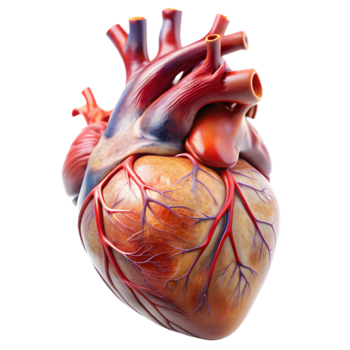
CARDIAC
Cardiac medicine, also known as cardiology, is the medical specialty that focuses on the diagnosis, treatment, and prevention of diseases related to the heart and blood vessels. It deals with conditions such as hypertension, coronary artery disease, heart attacks, arrhythmias, heart failure, and congenital heart defects.

Cardiologists use diagnostic tools such as electrocardiograms (ECG), echocardiography, stress tests, Holter monitoring, cardiac catheterization, and angiography to evaluate heart function and detect abnormalities.
Cardiac problems may cause chest pain or pressure, shortness of breath, palpitations, fatigue, dizziness, and weakness. Some patients experience pain spreading to the left arm, neck, jaw, or back. Swelling in the legs or ankles, nausea, sweating, and fainting can also occur, especially in serious heart conditions.
Diagnosis begins with a detailed medical history and physical examination. Doctors use tests such as electrocardiogram (ECG), echocardiography, stress tests, blood tests, chest X-ray, and coronary angiography to assess heart function, detect rhythm abnormalities, structural problems, or blocked arteries.