
Departments
Learn more about our departmentsHealth Specialists
Health specialists are trained professionals who diagnose, treat, and prevent medical conditions across various fields. They include doctors, nurses, therapists, and technicians who provide expert care based on their specialization. Health specialists work together to support patient well-being, promote healthy lifestyles, manage diseases, and ensure comprehensive, high-quality healthcare for all.
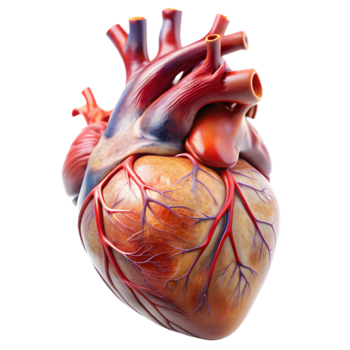
CARDIAC
Cardiac medicine, also known as cardiology, is the medical specialty that focuses on the diagnosis, treatment, and prevention of diseases related to the heart and blood vessels. It deals with conditions such as hypertension, coronary artery disease, heart attacks, arrhythmias, heart failure, and congenital heart defects. Cardiologists use diagnostic tools such as electrocardiograms (ECG), echocardiography, stress tests, Holter monitoring, cardiac catheterization, and angiography to evaluate heart function and detect abnormalities.Treatment in cardiac care can include lifestyle modifications, medications, interventional procedures like angioplasty, pacemaker implantation, and in severe cases, cardiac surgery. The primary goal of cardiac care is to prevent heart disease, improve heart function, relieve symptoms, and enhance overall cardiovascular health, thereby helping patients lead longer and healthier lives.
Gastroenterology
Gastroenterology focuses on diagnosing, managing, and treating disorders of the digestive system, including the stomach, intestines, esophagus, liver, pancreas, and gallbladder. This specialty addresses conditions such as acidity, ulcers, gastritis, IBS, IBD, hepatitis, pancreatitis, and digestive infections. Gastroenterologists evaluate symptoms like abdominal pain, bloating, nausea, vomiting, constipation, diarrhea, and unexplained weight loss to identify underlying issues affecting digestion and nutrient absorption. They use advanced diagnostic tools such as endoscopy, colonoscopy, ultrasound, CT scans, and specialized blood tests to detect abnormalities with accuracy. Along with treating diseases, gastroenterology emphasizes prevention through diet modification, lifestyle changes, and regular screenings, especially for conditions like colorectal cancer or chronic liver disease. By providing timely diagnosis and personalized care, gastroenterologists help improve digestive health, relieve discomfort, prevent complications, and enhance patients’ overall well-being, supporting them in maintaining a healthier and more comfortable life.
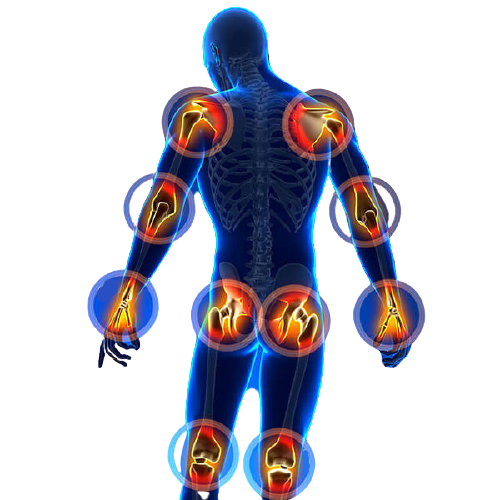
ORTHOPAEDIC
Orthopaedics focuses on the diagnosis, treatment, and prevention of disorders related to the bones, joints, muscles, ligaments, and tendons. It deals with conditions such as fractures, arthritis, back pain, sports injuries, joint degeneration, spinal problems, and congenital skeletal disorders. Orthopaedic specialists carefully assess patients using clinical examination, medical history, and advanced diagnostic tools such as X-rays, MRI, CT scans, and bone density tests to identify injuries, deformities, or degenerative changes. Treatment may include medications, physiotherapy, lifestyle modification, minimally invasive procedures, or surgical intervention depending on severity and patient needs. The primary goals of orthopaedics are to relieve pain, restore mobility, improve strength, stability, and physical function. By promoting early diagnosis, proper rehabilitation, injury prevention, and long-term care, orthopaedic care helps individuals maintain independence, resume daily activities, prevent disability, and enjoy a healthier, active, and comfortable quality of life.
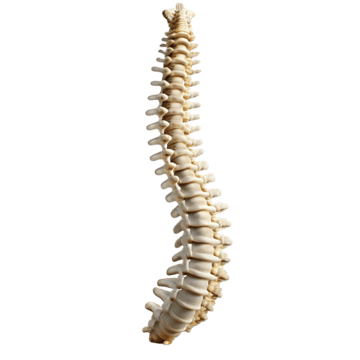
SPINE
The spine is a vital part of the human body that provides structural support, maintains posture, protects the spinal cord, and enables movements such as bending, twisting, and lifting. Spine care focuses on disorders affecting the cervical (neck), thoracic (upper back), lumbar (lower back), sacral, and coccygeal regions. Common spine-related conditions include back and neck pain, slipped or herniated discs, sciatica, spinal stenosis, scoliosis, spondylosis, spinal injuries, degeneration, and infections. Spine specialists evaluate symptoms like stiffness, radiating pain, numbness, weakness, or reduced mobility to determine the underlying cause. Diagnosis involves physical examination and advanced investigations such as X-rays, MRI, CT scans, and nerve studies. Treatment may include medications, physiotherapy, posture correction, lifestyle changes, pain management techniques, or surgical intervention when required. The goal of spine care is to relieve pain, restore function, prevent disability, improve quality of life, and help patients return to normal daily activities safely and comfortably.
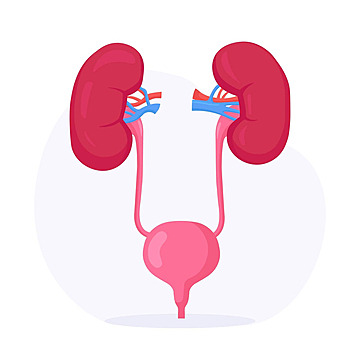
UROLOGY
Urology is a specialized branch of medicine that focuses on the diagnosis, treatment, and management of disorders affecting the urinary tract in both males and females, as well as the male reproductive system. The urinary system includes the kidneys, ureters, bladder, and urethra, which play a vital role in filtering blood, producing urine, and removing waste from the body. Urologists treat a wide range of conditions such as kidney stones, urinary tract infections (UTIs), urinary incontinence, bladder disorders, prostate enlargement, prostate cancer, and problems related to the testes and male fertility. Patients may experience symptoms like pain during urination, frequent urination, blood in urine, pelvic pain, or difficulty controlling urine. Diagnosis involves physical examination, ultrasound, CT scans, cystoscopy, and laboratory tests. Urology care aims to relieve symptoms, restore normal function, prevent complications, and improve overall quality of life.